










Safari Lodges India

Experiences that elevate your stay

Beyond your stay, we curate several nature immersive experiences that deepen your connection to the wilderness of Kanha.

Jungle safaris

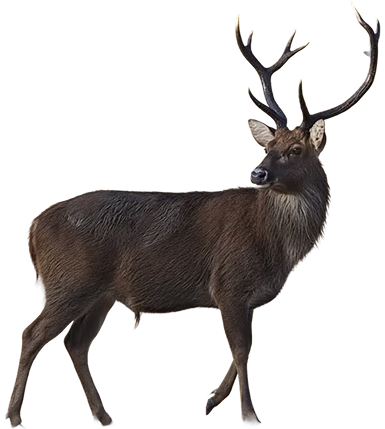
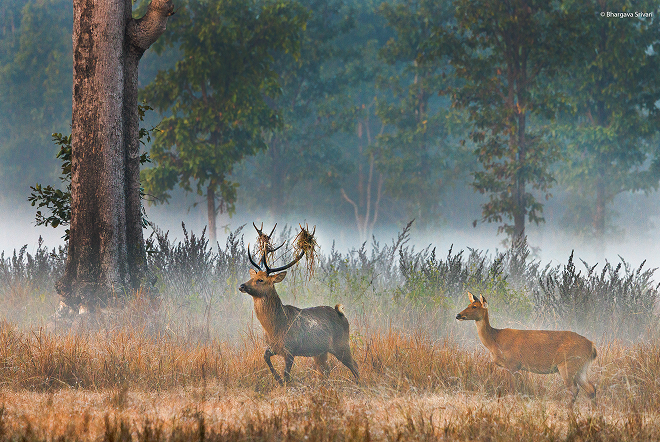
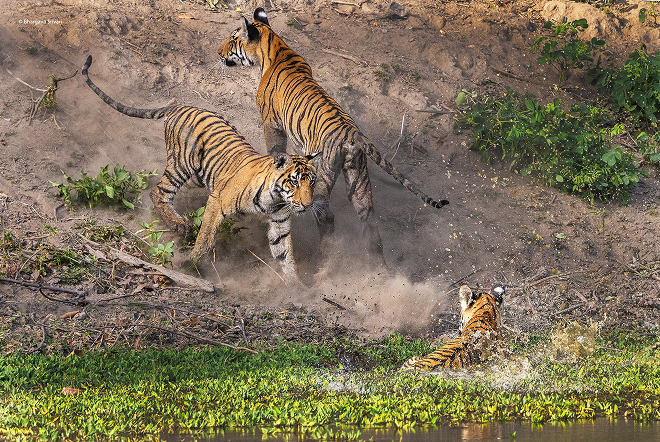
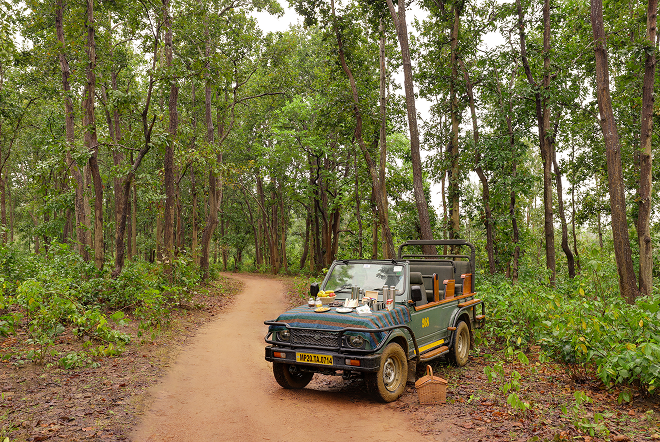
Explore Kanha’s wilderness in an open-top vehicle with expert naturalists, tracking tigers, barasingha, and diverse wildlife.

Walking safaris

Discover Kanha on foot with trained guides, following forest trails and riverbanks for a slower, immersive wildlife experience.

A million star hotel

Sleep beneath open skies in our forest star bed, wrapped in comfort as night sounds echo softly around you.

Bicycle trail

Ride through buffer forests and village paths with our naturalist, pausing for birds, lakeside views, and curated refreshments.

Pottery with local
village potter

Shape clay alongside a local potter, experiencing traditional craftsmanship rooted deeply in Kanha’s village life.

Gond Art Workshop

Join a local Gond artist for a private, immersive introduction to this celebrated tribal art form. Rooted in nature and folklore, the session offers a culturally rich and creatively engaging way to connect with the region beyond the safari.

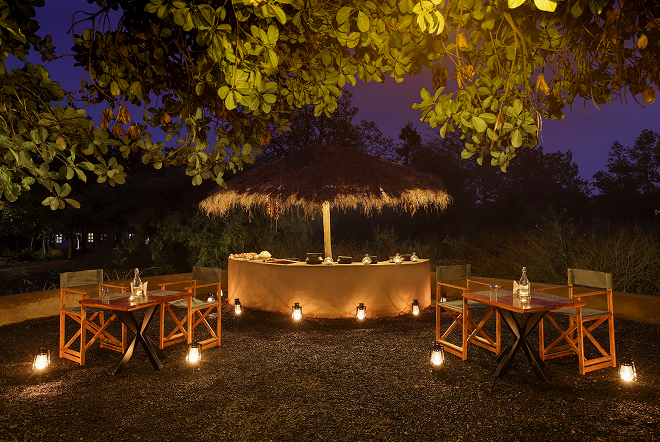
Bush Dinner

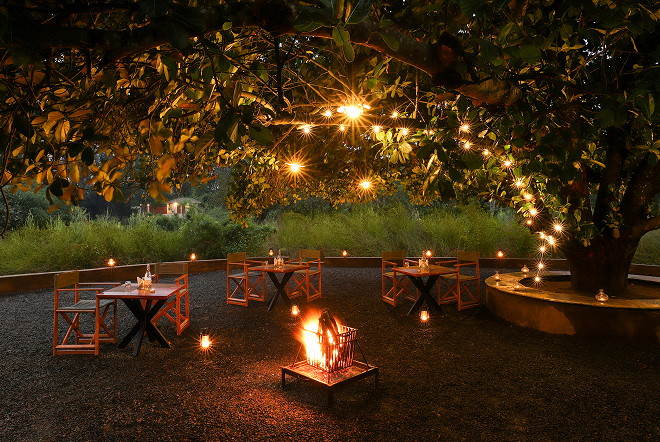
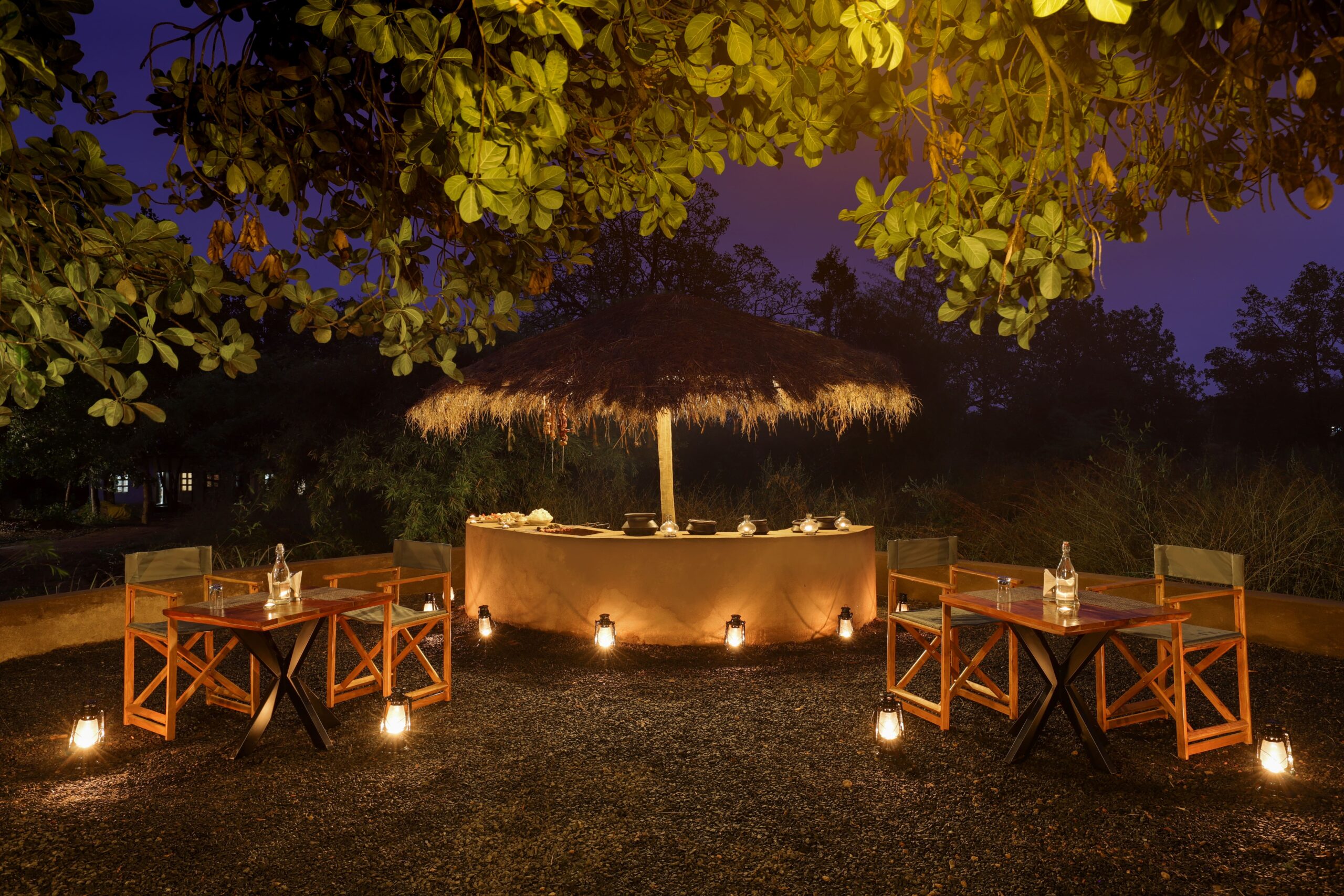
Dine under a lantern-lit forest canopy, enjoying slow-cooked local dishes surrounded by nature’s lullaby.

Bonfire Evenings

Gather around a warm bonfire under starlit skies, embracing winter’s quiet comfort in the forest.

Sunset Picnic

Walk to a tranquil lakeside and enjoy refreshments while watching the sun set over Kanha’s landscape.

Tribal Cultural Performance

Experience traditional tribal dance performed by local artists, celebrating the spirit and heritage of the region.

Indoor Games

A selection of table tennis, foosball, carroms, chess, and other board games to keep our younger guests busy. 

Swimming Pool

Set apart in a quiet corner of the lodge, the swimming pool is surrounded by towering bamboo, offering a sense of seclusion and calm. Shielded from the view of rooms and common areas, it provides a private space to unwind amidst nature.

Spa Experience

Enjoy a calming spa experience with a view of nature. A serene, unhurried experience designed for complete relaxation.

Best Time to Visit Kanha

Each season offers a unique experience in the forest. Choose your ideal time based on your preferences.

October to March

Classic Kanha Experience

This is the most popular season for travellers. Days are comfortable, the forest is lush yet open enough for sightings, and mornings often have beautiful mist over the meadows.

  • Pleasant temperature (highs around mid-20°C, with lows going to single digits in peak winter).

  • Excellent for general wildlife viewing and photography.

  • Peak time for migratory birds.

April to June

Best Tiger Sightings

If your priority is tiger tracking, summer is unmatched. As water sources shrink and vegetation dries, wildlife congregates around waterholes, improving sightings dramatically.

  • Highest chances of tiger sightings.

  • Harsh heat (38–40°C), but rewarding for serious wildlife enthusiasts and photographers.
July to September

Monsoon Retreat

Core safari zones in Kanha remain closed during the monsoon for forest regeneration and safety. However, guests can still embark on safaris in the buffer zones and enjoy lush green forests.

  • Buffer zone safaris available.

  • Ideal for remote sanctuary to relax or work remotely.

  • Long stay specials and discounted pricing available.
Classic Kanha Experience

This is the most popular season for travellers. Days are comfortable, the forest is lush yet open enough for sightings, and mornings often have beautiful mist over the meadows.

  • Pleasant temperatures (nights and early morning and chilly with lows going to single digits in peak winter).
  • Excellent for general wildlife viewing and photography.
  • Peak time for migratory birds.
Pench wildlife October to March
Pench camp October to March

Best Tiger Sightings

If your priority is tiger tracking, summer is unmatched. As water sources shrink and vegetation dries, wildlife congregates around waterholes, improving sightings dramatically.

  • Highest chances of tiger sightings.
  • Harsh heat (38–40°C), but rewarding for serious wildlife enthusiasts and photographers.
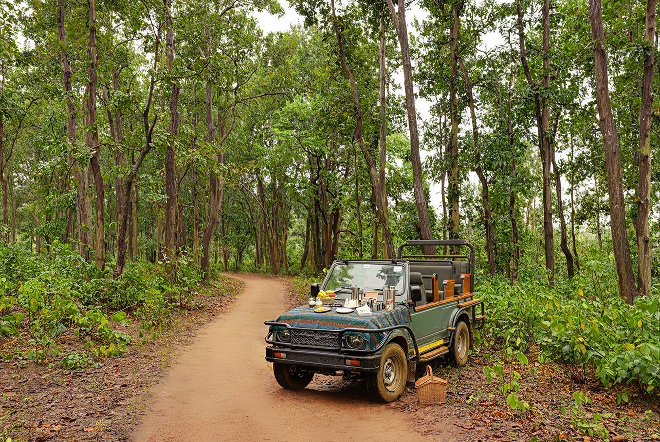
Tiger sighting April to June
Safari jeep April to June

Monsoon Retreat

Core safari zones in Kanha remain closed during the monsoon for forest regeneration and safety. However, guests can still embark on safaris in the buffer zone and enjoy lush green forests.

  • Buffer zone safaris available.
  • Ideal for remote sanctuary to relax or work remotely.
  • Long stay specials and discounted pricing available.
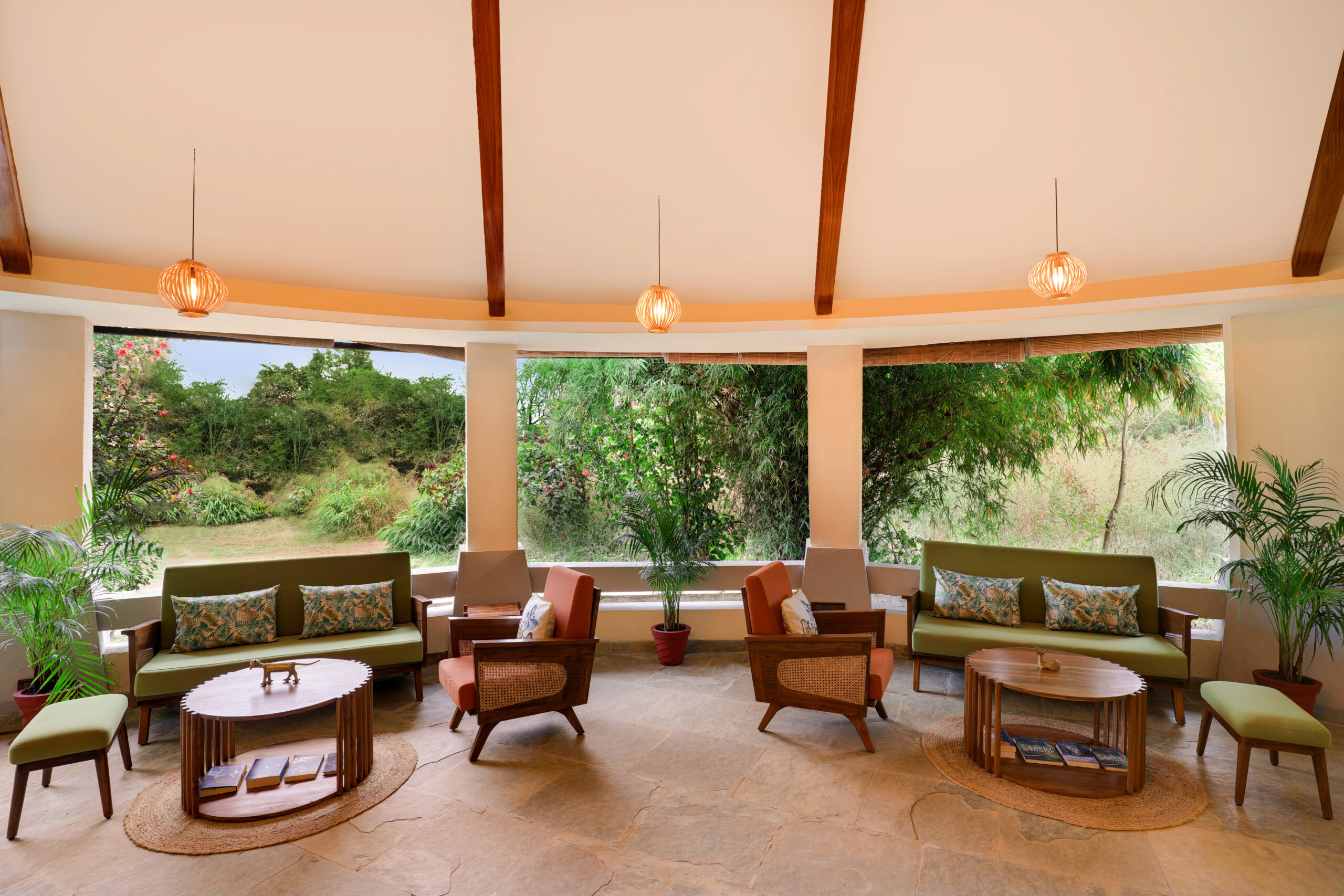
Pench lodge monsoon
Pench verandah monsoon

Safari Guidelines

To ensure a memorable and responsible wildlife experience, please follow these essential guidelines.

Safari Do's

Safari Don'ts

Follow your guide's instructions

Naturalists understand animal behaviour, park rules, and safety protocols better than anyone. Their cues directly shape the quality and safety of your sightings.

Maintain silence

The forest thrives on natural sound. Quietness increases your chances of spotting wildlife and prevents disturbance.

Wear earth-toned clothing

Neutral colours like olive, beige, and brown help you blend into the environment and avoid distracting animals.

Carry essentials

Water, binoculars, sunscreen, insect repellent, and a camera (NO FLASH) enhance comfort and sightings without adding clutter.

Respect distance and the environment

Keep a safe distance from wildlife and avoid littering; parks are delicate ecosystems that depend on responsible behaviour.

Don't feed animals

It disrupts natural behaviour and can make wildlife dependent on humans.

Don't make loud noises

Shouting, music, or sudden sounds scare animals away and ruin the experience for everyone.

Don't use mobile phones

Using mobile phones on safari (even for photography) is strictly prohibited.

Don't smoke or light fires

Fire risk is extremely high in dry forests, and smoking is prohibited in most reserves.

Don't step out of the vehicle

Unless explicitly permitted by your guide, leaving the vehicle is unsafe and against park regulations.

Safari Do's & Don'ts
Safari Do's
Safari Don'ts

Follow your guide's instructions

Naturalists understand animal behaviour, park rules, and safety protocols better than anyone. Their cues directly shape the quality and safety of your sightings.

Don't feed animals

It disrupts natural behaviour and can make wildlife dependent on humans.

Maintain silence

The forest thrives on natural sound. Quietness increases your chances of spotting wildlife and prevents disturbance.

Don't make loud noises

Shouting, music, or sudden sounds scare animals away and ruin the experience for everyone.

Wear earth-toned clothing

Neutral colours like olive, beige, and brown help you blend into the environment and avoid distracting animals.

Don't use mobile phones

Using mobile phones on safari (even for photography) is strictly prohibited.

Carry essentials

Water, binoculars, sunscreen, insect repellent, and a camera (NO FLASH) enhance comfort and sightings without adding clutter.

Don't smoke or light fires

Fire risk is extremely high in dry forests, and smoking is prohibited in most reserves.

Respect distance and the environment

Keep a safe distance from wildlife and avoid littering; parks are delicate ecosystems that depend on responsible behaviour.

Don't step out of the vehicle

Unless explicitly permitted by your guide, leaving the vehicle is unsafe and against park regulations.

Safari Do's

Follow your guide's instructions

Naturalists understand animal behaviour, park rules, and safety protocols better than anyone. Their cues directly shape the quality and safety of your sightings.

Maintain silence

The forest thrives on natural sound. Quietness increases your chances of spotting wildlife and prevents disturbance.

Wear earth-toned clothing

Neutral colours like olive, beige, and brown help you blend into the environment and avoid distracting animals.

Carry essentials

Water, binoculars, sunscreen, insect repellent, and a camera (NO FLASH) enhance comfort and sightings without adding clutter.

Respect distance and the environment

Keep a safe distance from wildlife and avoid littering; parks are delicate ecosystems that depend on responsible behaviour.

Safari Don'ts

Don't feed animals

It disrupts natural behaviour and can make wildlife dependent on humans.

Don't make loud noises

Shouting, music, or sudden sounds scare animals away and ruin the experience for everyone.

Don't use mobile phones

Using mobile phones on safari (even for photography) is strictly prohibited.

Don't smoke or light fires

Fire risk is extremely high in dry forests, and smoking is prohibited in most reserves.

Don't step out of the vehicle

Unless explicitly permitted by your guide, leaving the vehicle is unsafe and against park regulations.

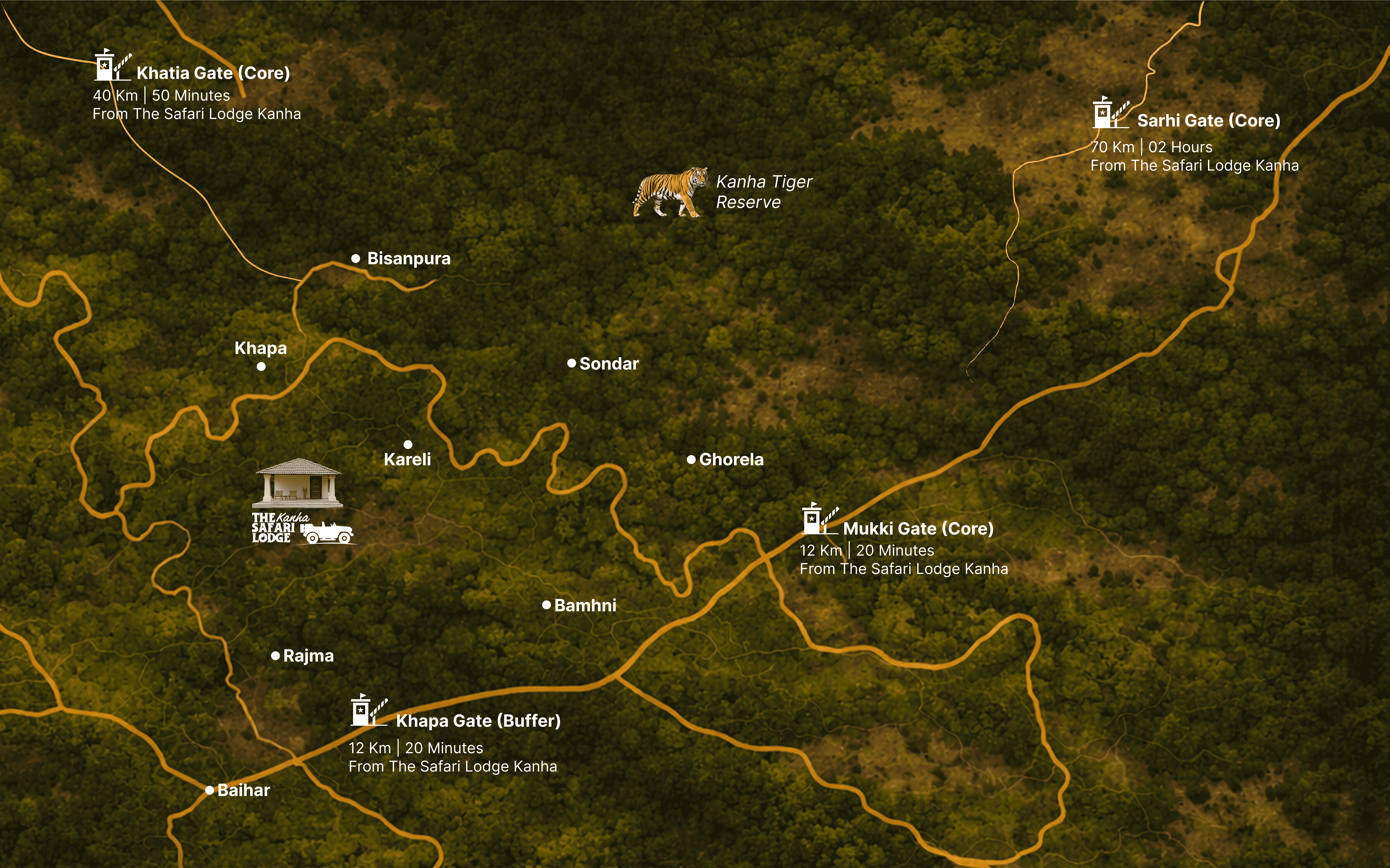
Our Kanha Location

Centrally located among all lodges on the Mukki side, the property gives guests the flexibility to choose both core and buffer safaris from either Mukki Gate or Khatia Gate, making it one of the most versatile bases for exploring Kanha.

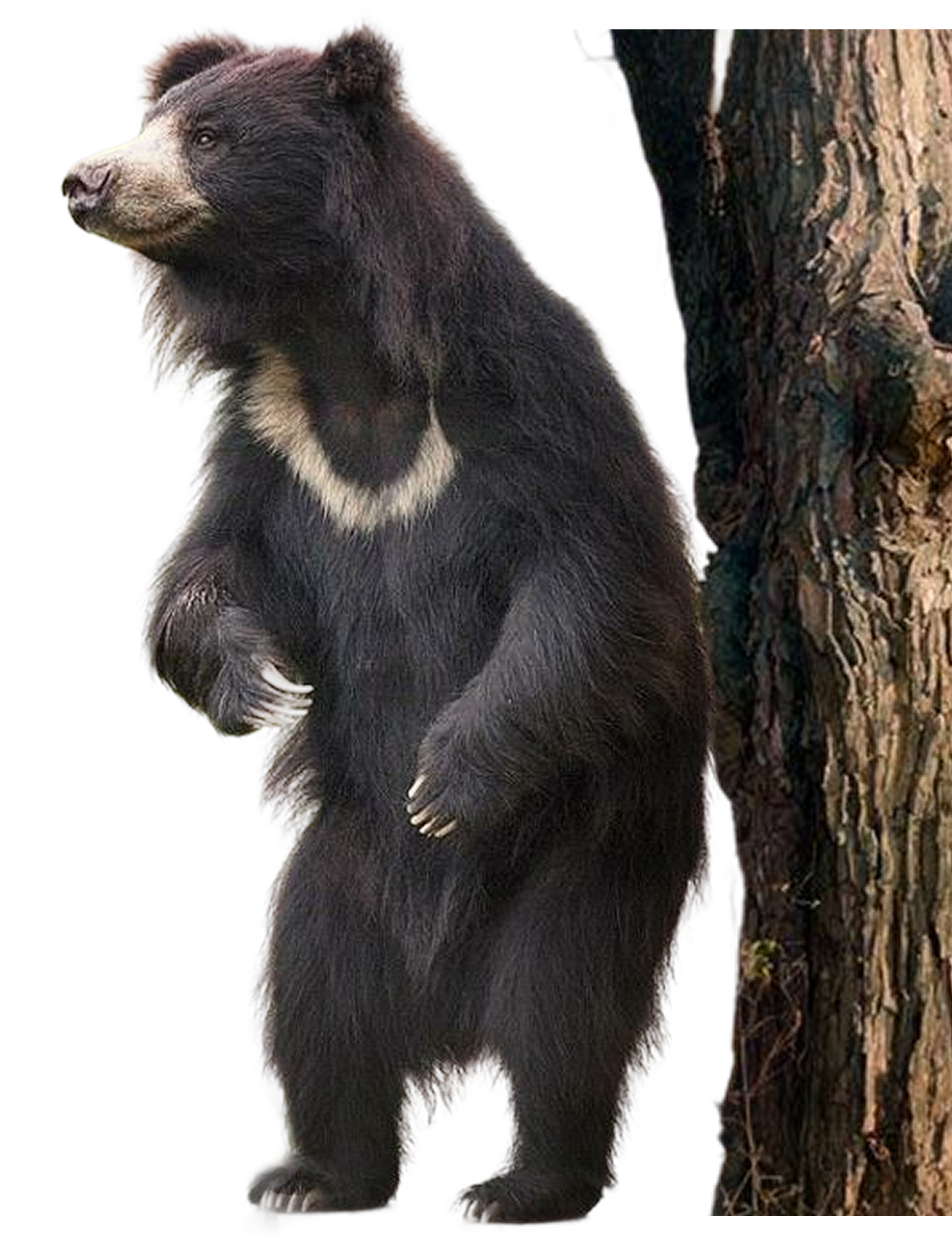
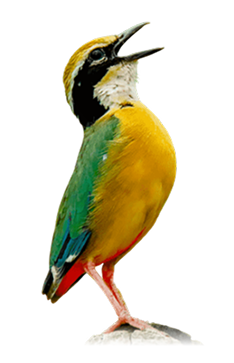
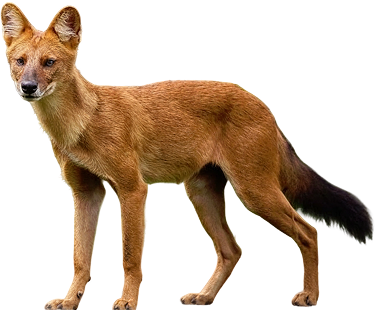
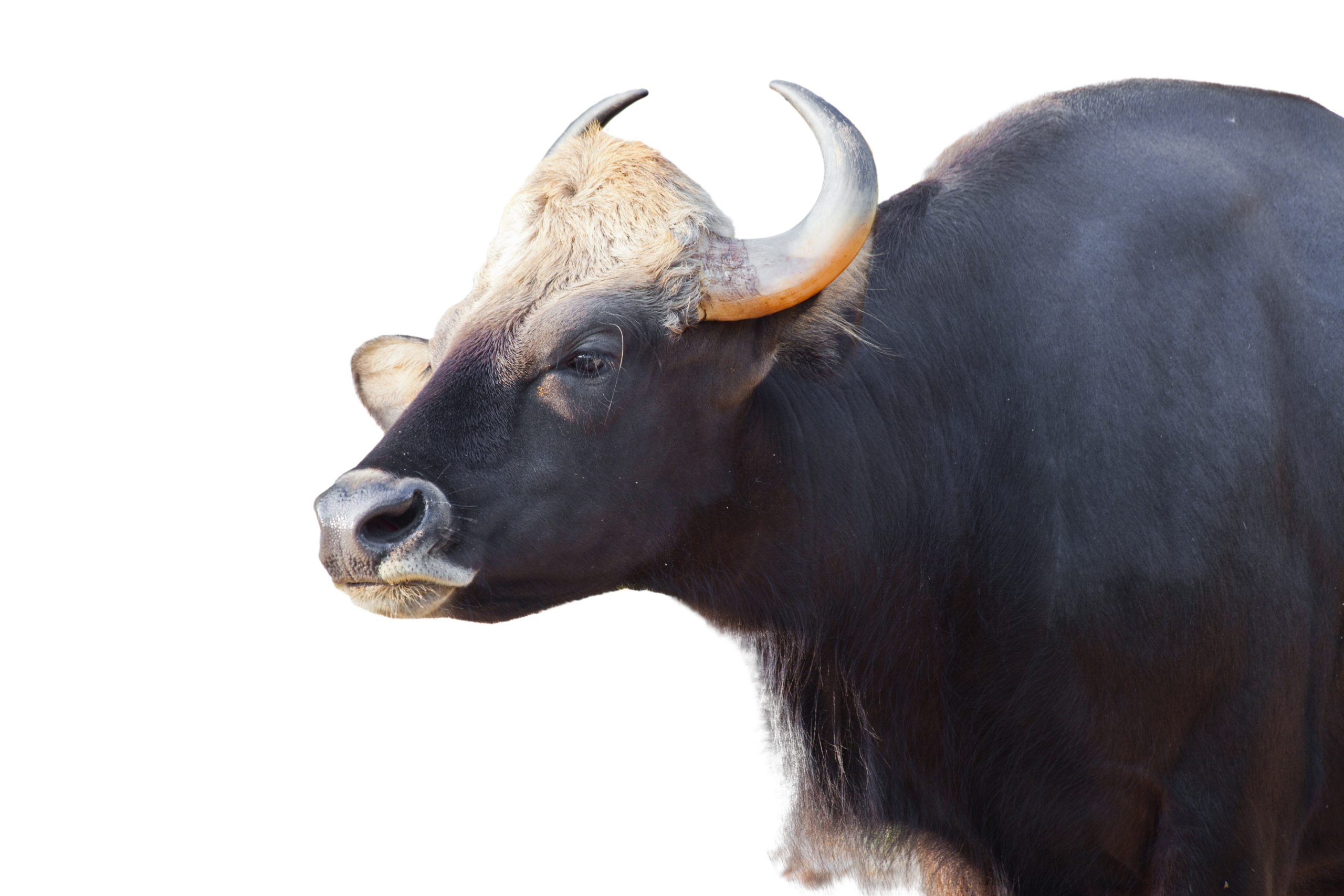
Provides access to the Mukki, Kisli, and Kanha core zones—three of the most sought-after safari areas in the entire reserve. These zones are known for consistently strong sightings of tiger, sloth bear, barasingha, jackal, dhole (Indian wild dog), gaur, sambar, chital, langur, and an exceptional diversity of birdlife.

12 km | 20 Minutes

01. Mukki (Core) Gate

Offers access to Khapa buffer, housing strong numbers of Tiger, Leopard and Sloth bear along with Gaur, Sambar, Chital, Langur etc.

12 km | 20 Minutes

02. Khapa (Buffer) Gate

In addition to the three core zones accessible from Mukki, guests can also explore the Sarhi core zone from here. Sarhi is known for its expansive, picturesque meadows and is one of the best places in Kanha to observe large herds of Barasingha.

40 km | 50 Minutes

03. Khatia Gate (Core & Buffer)

Nearby Airports & Railheads

Gondia

110 km | 2 Hours

Jabalpur

180 km | 3.5 Hours

Raipur

201 km | 4 Hours

Nagpur

270 km | 5 Hours

Inter-Park Travel

To Pench

188 km | 4 Hours

To Bandhavgarh

215 km | 4.5 Hours

Scroll to Top
WhatsApp whatsapp